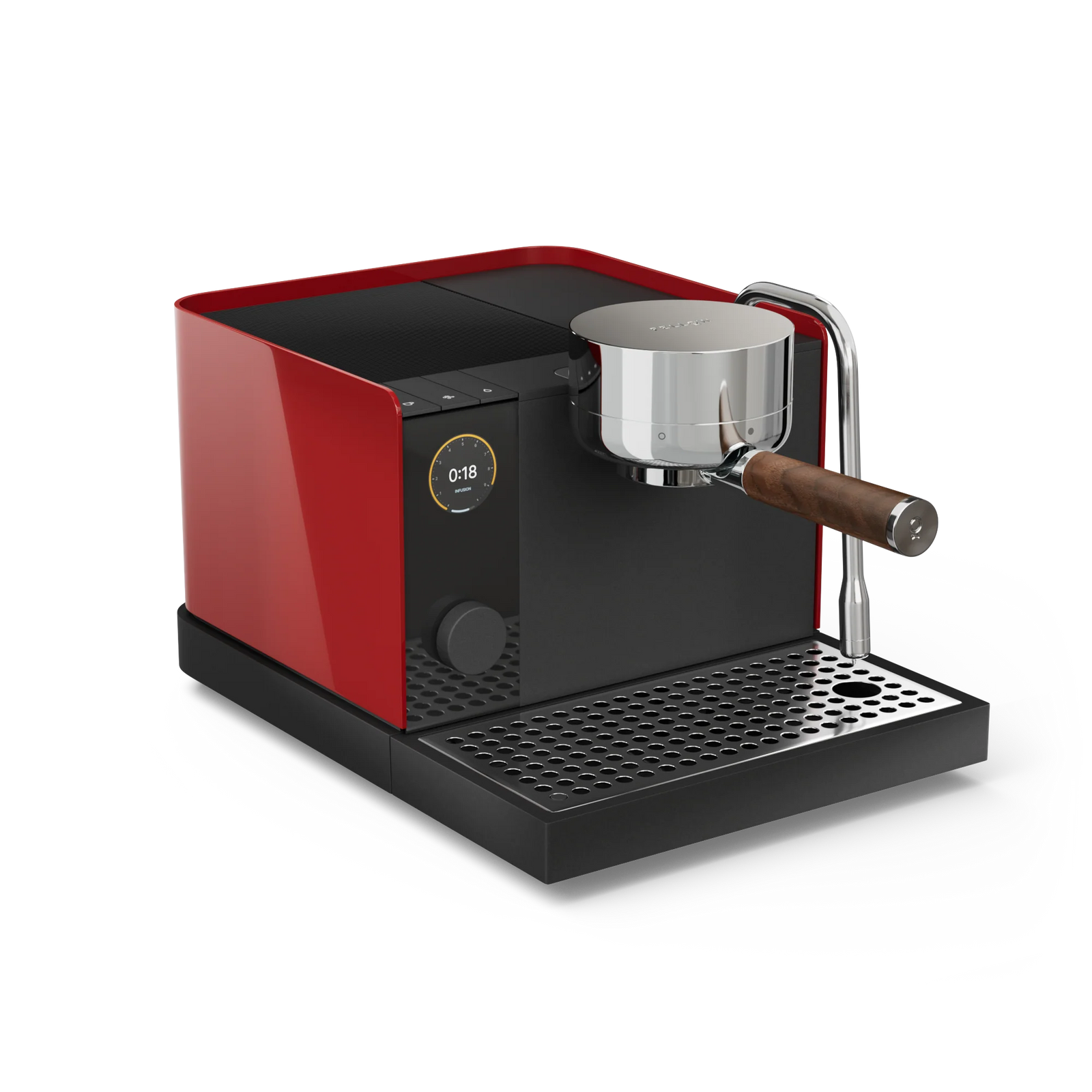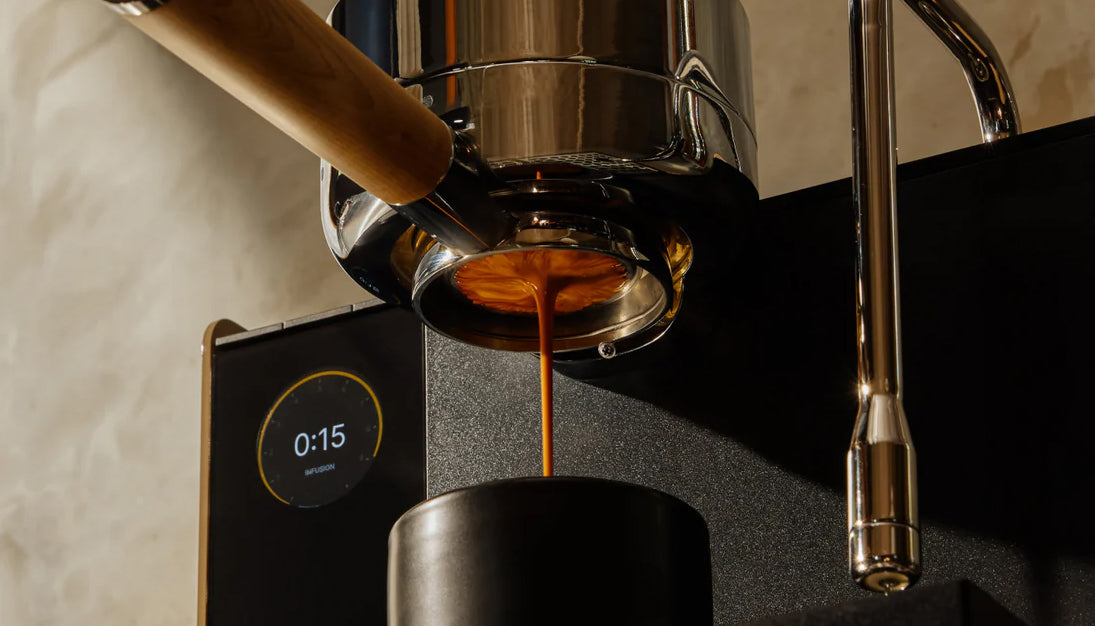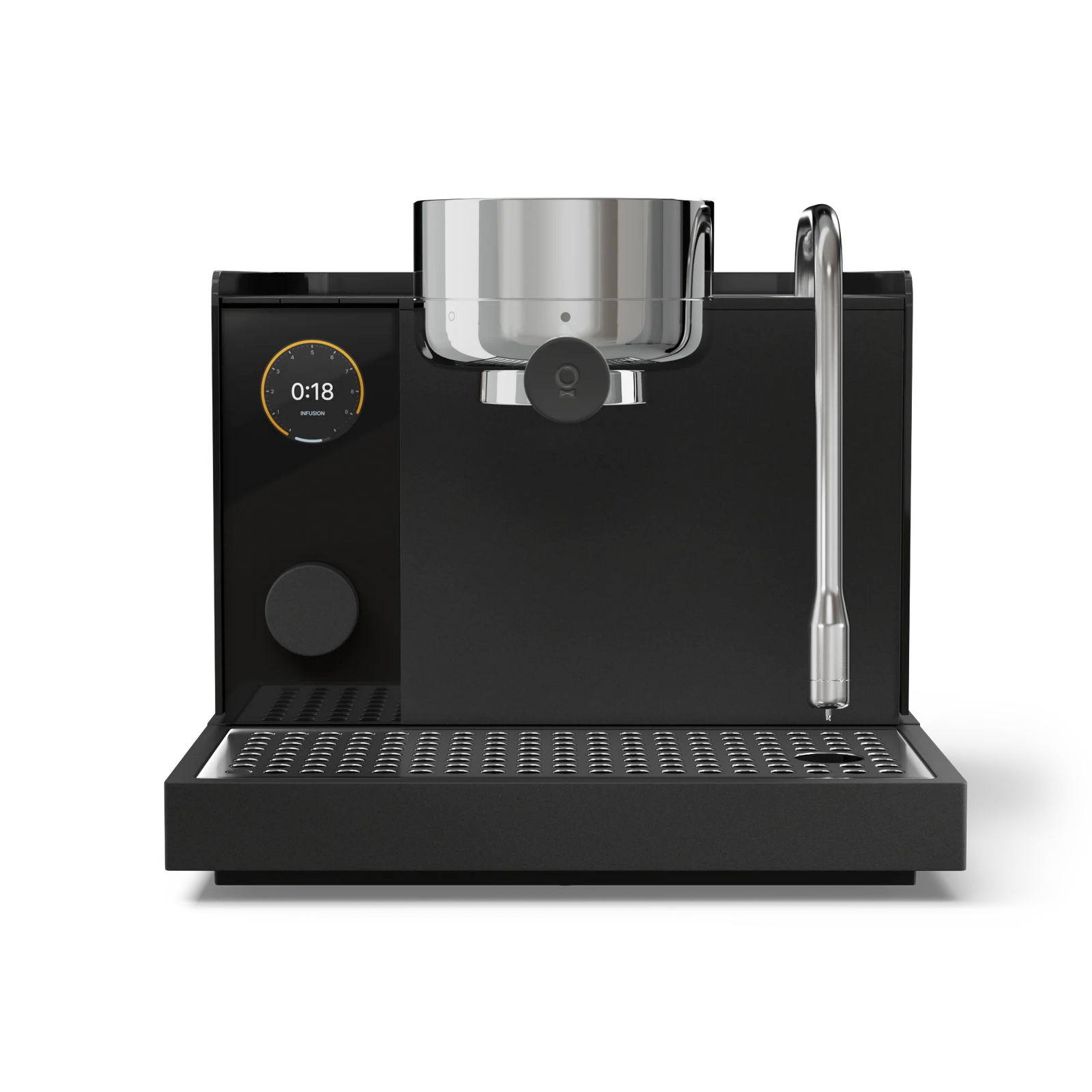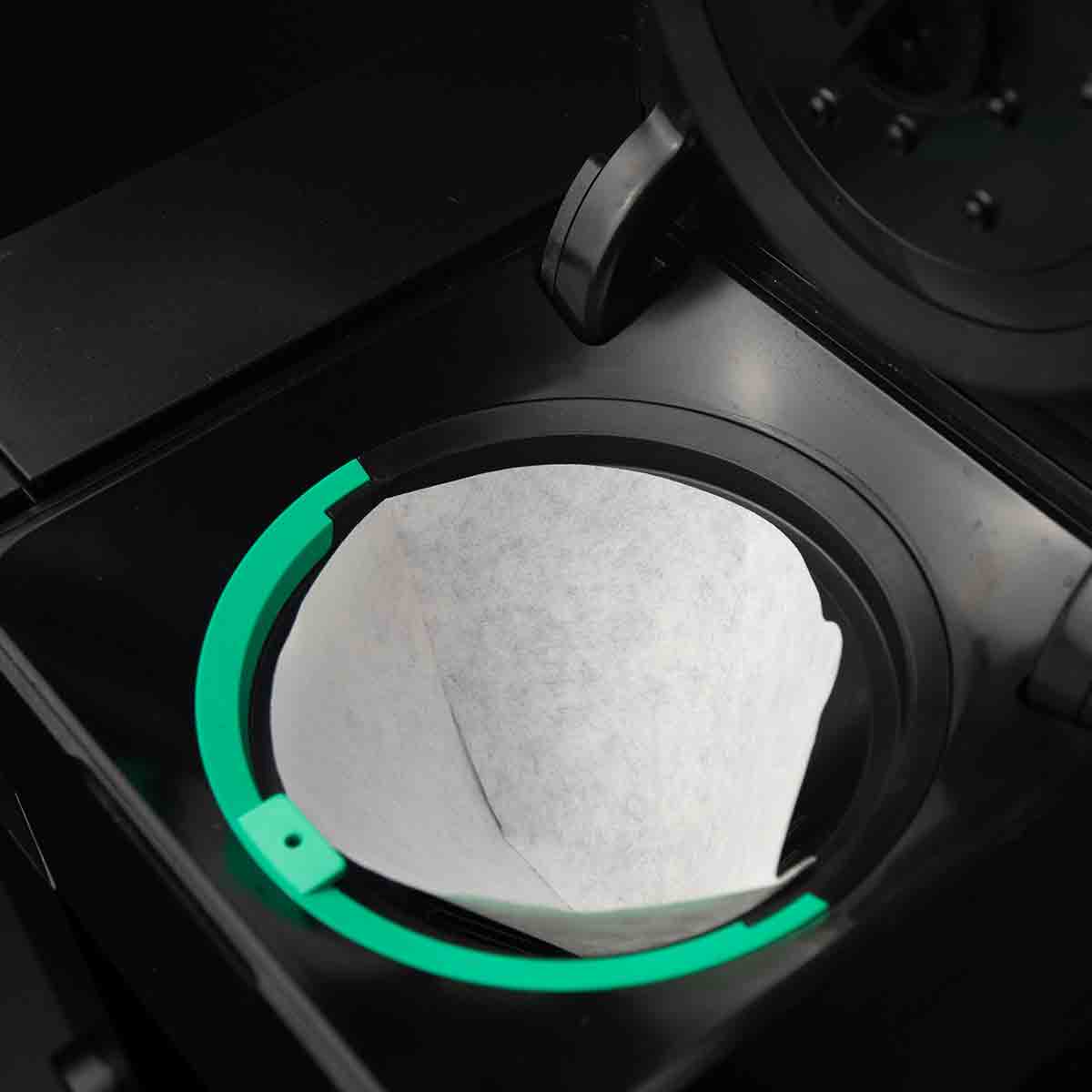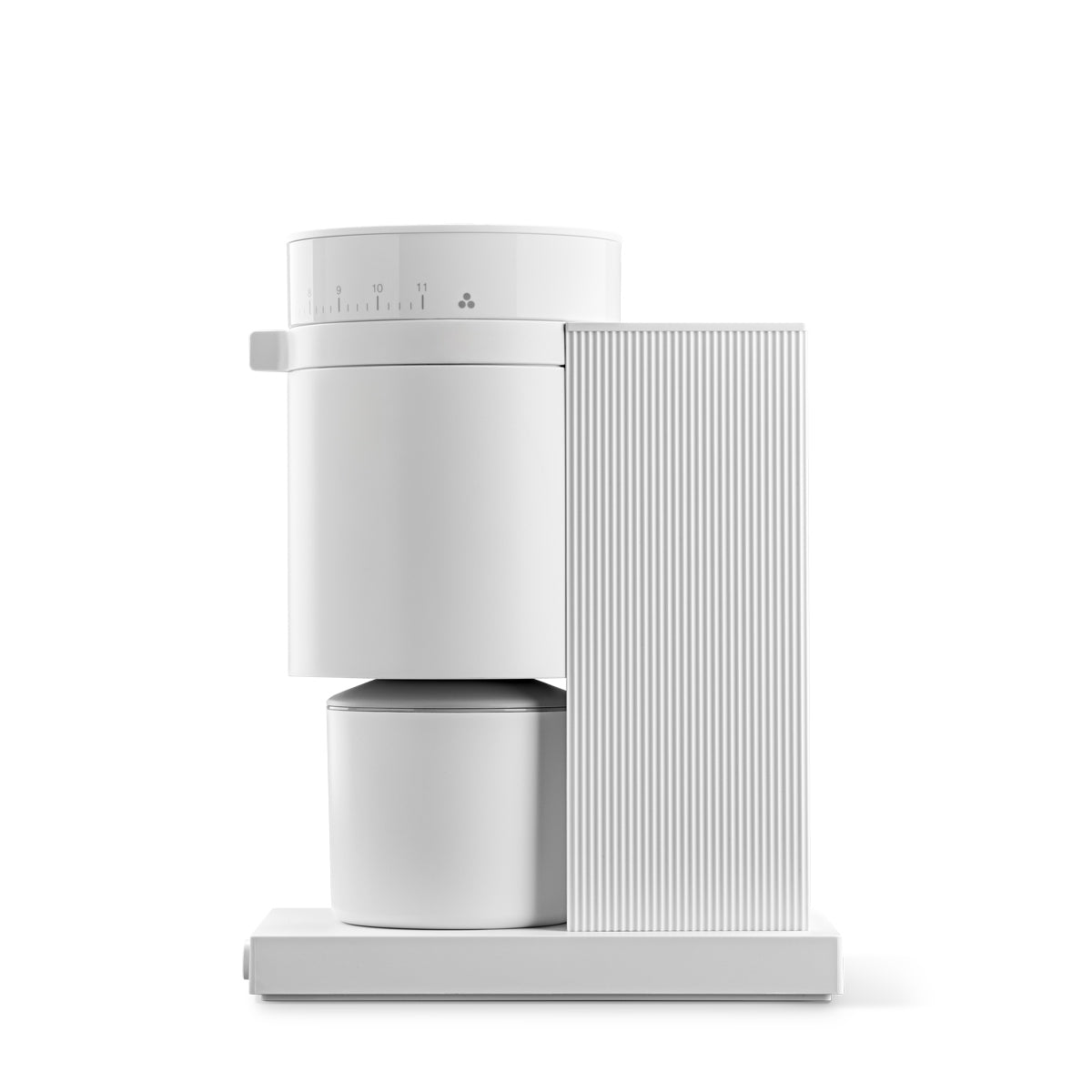


Fellow is already a popular name among coffee lovers, so it is no surprise that the news of their very first espresso machine has caused great excitement.
The Espresso Series 1 has already become a hot topic of conversation among coffee nerds worldwide. The machine has been the center of attention at several international coffee fairs with great interest and long queues, and has been widely shared and discussed on social media such as Instagram, Reddit and YouTube. Everything from in-depth first-look videos to assessments of how it stacks up against the established names is shared here.
Below you can read about the details we already know about the machine, see pictures and videos and sign up for our newsletter so you will be notified directly as soon as it can be ordered and how much it will cost. We are really looking forward to trying it out ourselves and sharing our experiences with you – and we hope you can use the information below.
Greetings Spinchy
Fellow is already a popular name among coffee lovers, so it is no surprise that the news of their very first espresso machine has caused great excitement.
The Espresso Series 1 has already become a hot topic of conversation among coffee nerds worldwide. The machine has been the center of attention at several international coffee fairs with great interest and long queues, and has been widely shared and discussed on social media such as Instagram, Reddit and YouTube. Everything from in-depth first-look videos to assessments of how it stacks up against the established names is shared here.
Below you can read about the details we already know about the machine, see pictures and videos and sign up for our newsletter so you will be notified directly as soon as it can be ordered and how much it will cost. We are really looking forward to trying it out ourselves and sharing our experiences with you – and we hope you can use the information below.
Greetings Spinchy


Fellow Espresso Series 1 er skabt med samme form for gennemtænkt design, som har gjort Fellow kendt for produkter som Stagg-kedlen og Ode-kværnen. Maskinen har en kompakt og elegant form, der nemt passer under overskabe, og er tilgængelig i tre flotte farver: sort, kirsebærrød med valnød og chokoladebrun med ahorn. Materialevalget varierer alt efter model, med detaljer i valnød eller ahorntræ, alt efter farve.
Bag det rene ydre gemmer sig et teknisk setup, der er udviklet til at levere espresso i cafékvalitet: tre uafhængige varmeelementer sikrer temperaturstabilitet helt ned til graden, opvarmningstid på under to minutter og et opvarmet bryggehoved for jævn ekstraktion. Du kan skifte direkte fra brygning til steam uden ventetid. Derudover kan brugeren arbejde med trykprofilering og gemme sine egne bryggeindstillinger, som kan sammenlignes med shots fra kommercielle maskiner.
Fellow Espresso Series 1 er skabt med samme form for gennemtænkt design, som har gjort Fellow kendt for produkter som Stagg-kedlen og Ode-kværnen. Maskinen har en kompakt og elegant form, der nemt passer under overskabe, og er tilgængelig i tre flotte farver: sort, kirsebærrød med valnød og chokoladebrun med ahorn. Materialevalget varierer alt efter model, med detaljer i valnød eller ahorntræ, alt efter farve.
Bag det rene ydre gemmer sig et teknisk setup, der er udviklet til at levere espresso i cafékvalitet: tre uafhængige varmeelementer sikrer temperaturstabilitet helt ned til graden, opvarmningstid på under to minutter og et opvarmet bryggehoved for jævn ekstraktion. Du kan skifte direkte fra brygning til steam uden ventetid. Derudover kan brugeren arbejde med trykprofilering og gemme sine egne bryggeindstillinger, som kan sammenlignes med shots fra kommercielle maskiner.

Then you'll be the first to hear about new prayers!


Once the coffee berry has been picked, the seed (coffee bean) must be removed from the pulp. This can be done in three different ways (there are several ways, but these are the most commonly used):
The choice of processing method has a great influence on the final taste.
After processing, the coffee must be roasted. This is where the roaster can make its mark.
If a bean is of high quality, it is often roasted lightly. If the quality is lower, a darker roast is chosen to hide imperfections and create a more "classic" coffee flavor.
Once the coffee berry has been picked, the seed (coffee bean) must be removed from the pulp. This can be done in three different ways (there are several ways, but these are the most commonly used):
The choice of processing method has a great influence on the final taste.
After processing, the coffee must be roasted. This is where the roaster can make its mark.
If a bean is of high quality, it is often roasted lightly. If the quality is lower, a darker roast is chosen to hide imperfections and create a more "classic" coffee flavor.
The taste of coffee depends largely on climate, soil and altitude – just like wine. A coffee from Brazil will taste different from a coffee from Ethiopia because the growing conditions are different.
Some countries are known for particular flavor profiles:
The taste of coffee depends largely on climate, soil and altitude – just like wine. A coffee from Brazil will taste different from a coffee from Ethiopia because the growing conditions are different.
Some countries are known for particular flavor profiles: