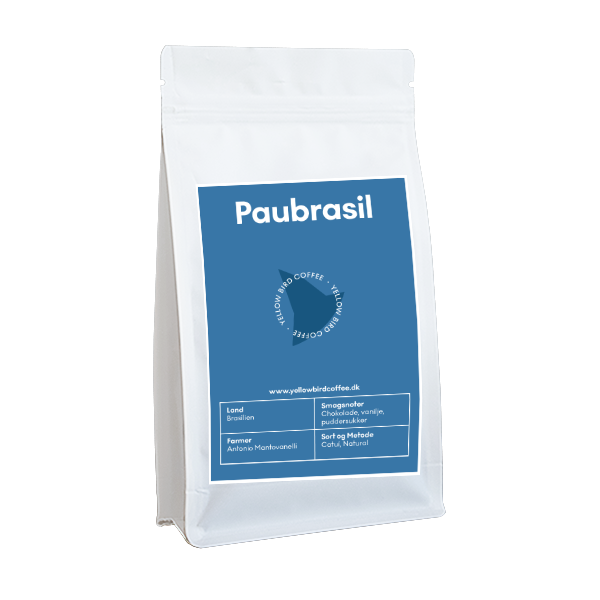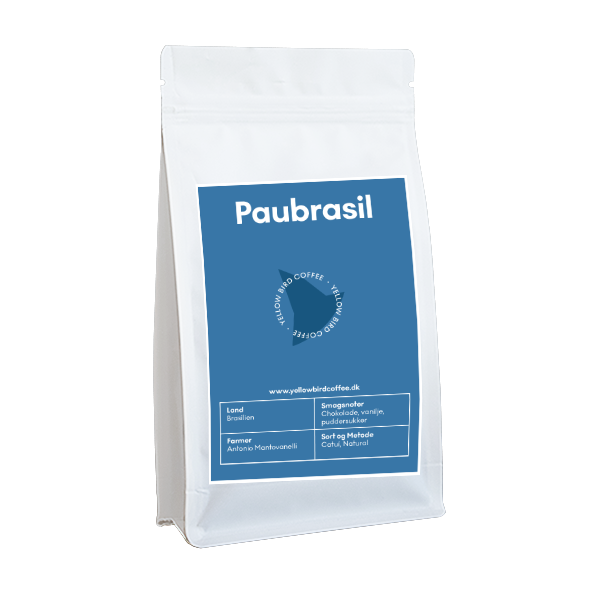



A guide for those of you who want to understand the difference between coffee beans and find the coffee that suits you best.
When you stand in front of the shelf of coffee bags – either in the supermarket or at the local roastery – it can be difficult to understand what really sets them apart. What does it mean for a coffee to be “single origin”? What is the difference between Arabica and Robusta? And what does it really mean when it says “washed” or “natural” on the bag?
In this article, we review the most important factors that affect your coffee – from bean type and country to processing and roasting.
A guide for those of you who want to understand the difference between coffee beans and find the coffee that suits you best.
When you stand in front of the shelf of coffee bags – either in the supermarket or at the local roastery – it can be difficult to understand what really sets them apart. What does it mean for a coffee to be “single origin”? What is the difference between Arabica and Robusta? And what does it really mean when it says “washed” or “natural” on the bag?
In this article, we review the most important factors that affect your coffee – from bean type and country to processing and roasting.

There are generally two main types of coffee beans: Arabica and Robusta .
Robusta is a hardier plant that can be grown at lower altitudes and requires fewer resources. The beans contain more caffeine and often have a stronger, more bitter taste. This is why Robusta is often used in blends – especially in cheaper coffees where you want to keep the price down.
Arabica requires more care to grow and thrives best at higher elevations with cooler temperatures. It typically has a more acidic and complex flavor profile , making it popular with specialty coffee roasters. When you see words like “single origin,” you’re usually talking about Arabica.
There are generally two main types of coffee beans: Arabica and Robusta .
Robusta is a hardier plant that can be grown at lower altitudes and requires fewer resources. The beans contain more caffeine and often have a stronger, more bitter taste. This is why Robusta is often used in blends – especially in cheaper coffees where you want to keep the price down.
Arabica requires more care to grow and thrives best at higher elevations with cooler temperatures. It typically has a more acidic and complex flavor profile , making it popular with specialty coffee roasters. When you see words like “single origin,” you’re usually talking about Arabica.

Then you'll be the first to hear about new prayers!
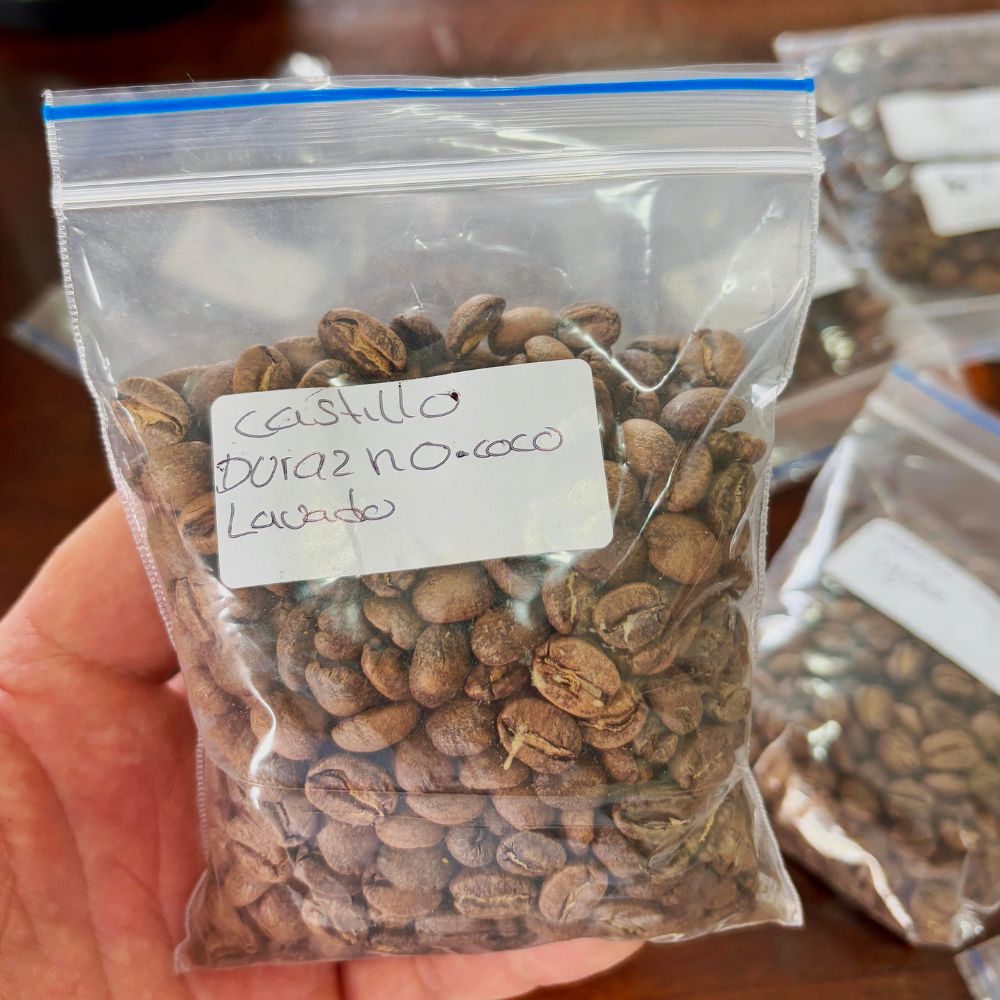
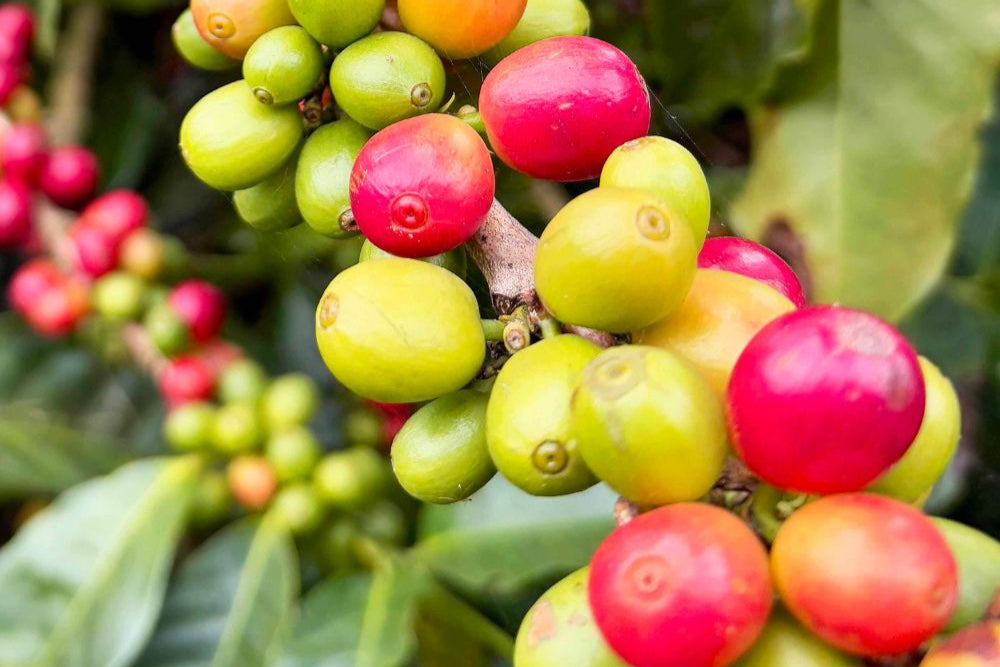
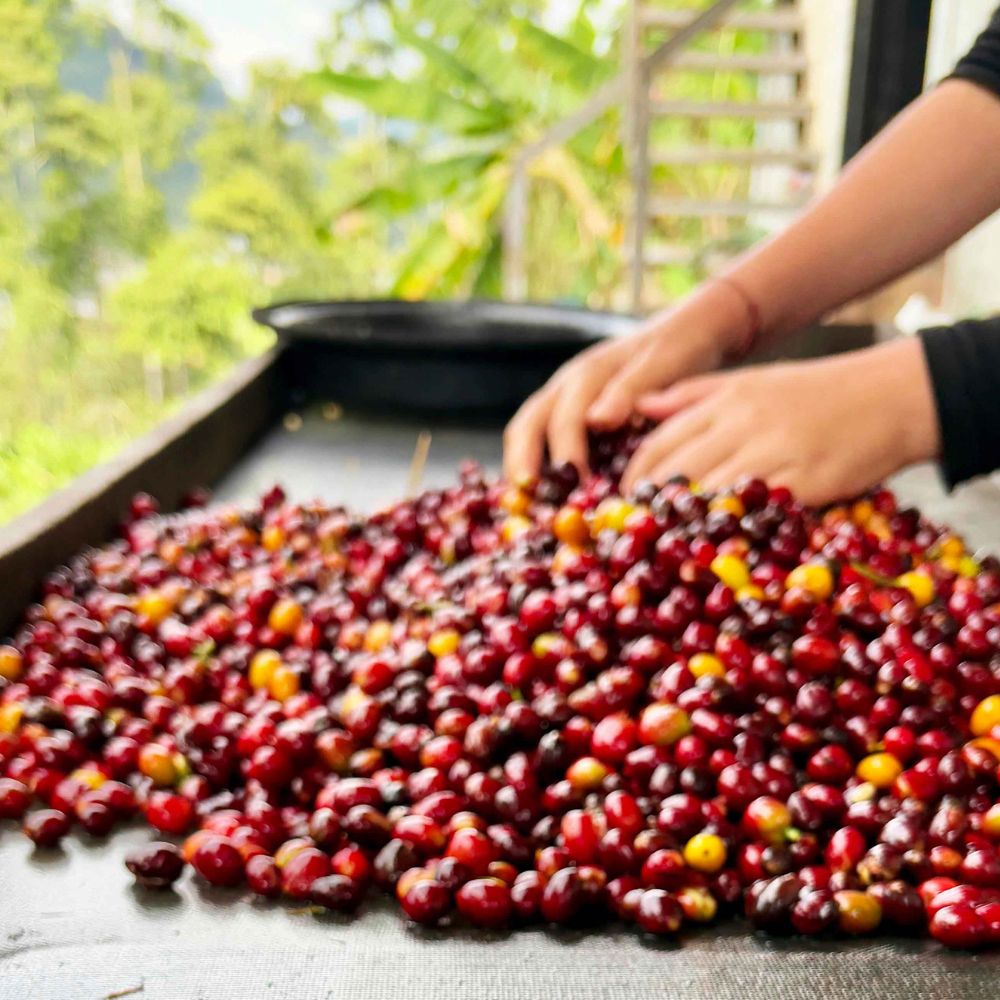
Once the coffee berry has been picked, the seed (coffee bean) must be removed from the pulp. This can be done in three different ways (there are several ways, but these are the most commonly used):
The choice of processing method has a great influence on the final taste.
After processing, the coffee must be roasted. This is where the roaster can make its mark.
If a bean is of high quality, it is often roasted lightly. If the quality is lower, a darker roast is chosen to hide imperfections and create a more "classic" coffee flavor.
Once the coffee berry has been picked, the seed (coffee bean) must be removed from the pulp. This can be done in three different ways (there are several ways, but these are the most commonly used):
The choice of processing method has a great influence on the final taste.
After processing, the coffee must be roasted. This is where the roaster can make its mark.
If a bean is of high quality, it is often roasted lightly. If the quality is lower, a darker roast is chosen to hide imperfections and create a more "classic" coffee flavor.

The taste of coffee depends largely on climate, soil and altitude – just like wine. A coffee from Brazil will taste different from a coffee from Ethiopia because the growing conditions are different.
Some countries are known for particular flavor profiles:
The taste of coffee depends largely on climate, soil and altitude – just like wine. A coffee from Brazil will taste different from a coffee from Ethiopia because the growing conditions are different.
Some countries are known for particular flavor profiles:
Enter the text that you want displayed on the English version of the site (optional).
Single origin means that the coffee comes from one country, one region – yes, sometimes even from one specific farm. This allows for
taste the unique characteristics of the area where the coffee is grown – just like you know from wine.
A blend , on the other hand, is a mixture of beans from different countries or regions. This can help create a more balanced flavor or keep production costs down.


Enter the text that you want displayed on the English version of the site (optional).
Coffee lasts a long time, but that doesn't mean it tastes best after a year. We recommend drinking the coffee within 3-4 months of roasting to get the most flavor and body.
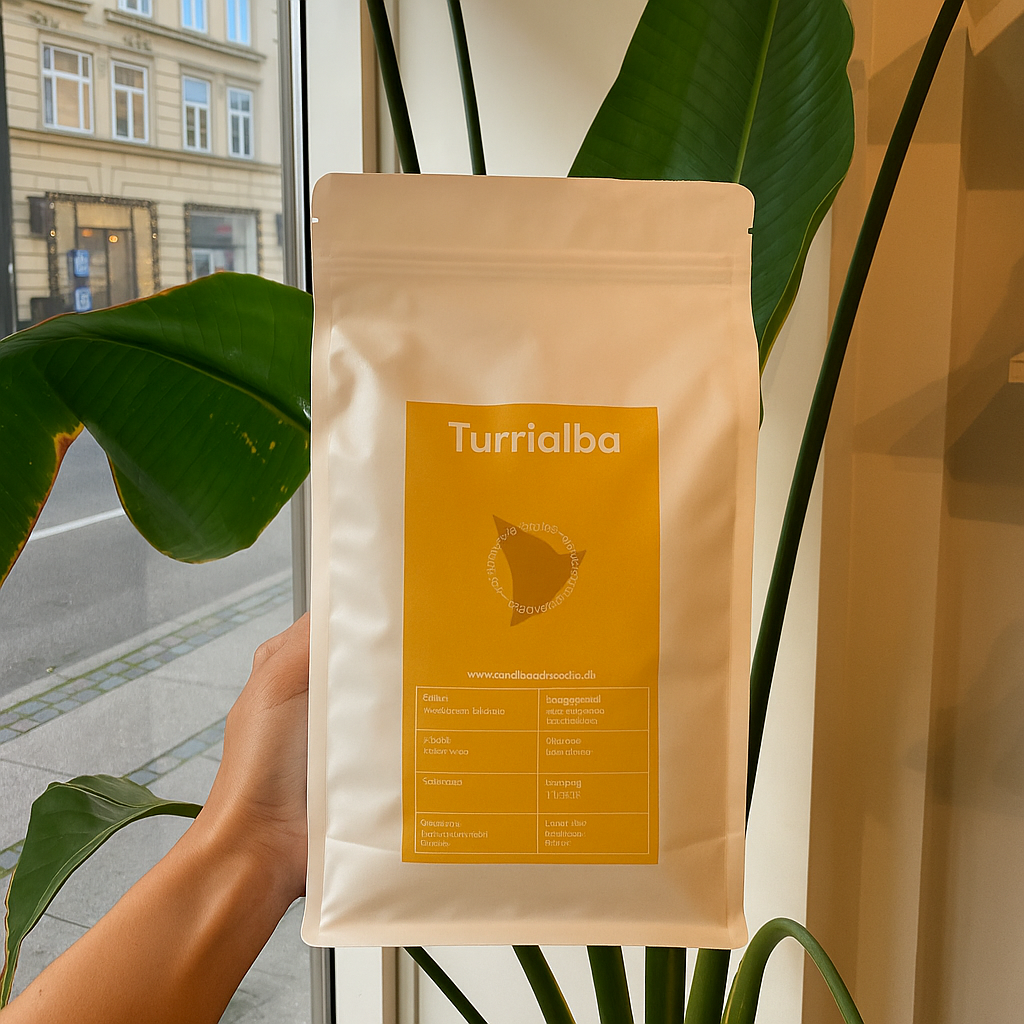
Always check whether the date on the bag is a roasting date or just a best before date .
More and more roasters are embracing transparency: Who grew the coffee? Where is it processed? When was it roasted?
The more information you get as a consumer, the easier it is to choose coffee that is produced under proper conditions.
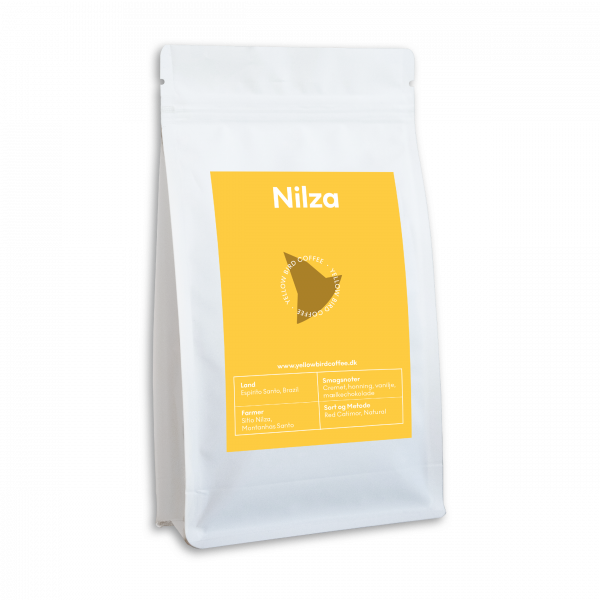
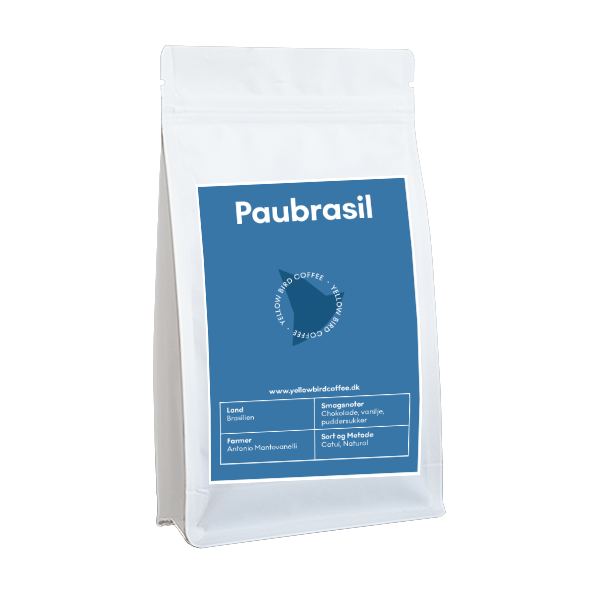
Look for details like:
Coffee can cost anywhere from 50 DKK to 200+ DKK per bag – and it’s not just about branding. The price reflects the quality of the raw material , how carefully it’s produced, and how many hands have been involved.
involved in the process.
Cheap coffee is often made up of beans from many different places and may be produced with a focus on volume over quality. If you want to taste the difference, try a coffee from a micro-roaster with a known origin – you’ll be able to taste the details.
We hope you've learned a little more about what the coffee bags are actually telling you. Once you have a handle on bean types, origin, processing and roasting, it becomes much easier to find your coffee.
If you're looking to start exploring different coffees, take a look at our selection of freshly roasted coffee beans - we'll be happy to guide you.
Coffee can cost anywhere from 50 DKK to 200+ DKK per bag – and it’s not just about branding. The price reflects the quality of the raw material , how carefully it’s produced, and how many hands have been involved.
involved in the process.
Cheap coffee is often made up of beans from many different places and may be produced with a focus on volume over quality. If you want to taste the difference, try a coffee from a micro-roaster with a known origin – you’ll be able to taste the details.
We hope you've learned a little more about what the coffee bags are actually telling you. Once you have a handle on bean types, origin, processing and roasting, it becomes much easier to find your coffee.
If you're looking to start exploring different coffees, take a look at our selection of freshly roasted coffee beans - we'll be happy to guide you.